
Buying a firearm online offers access to vast inventories, hard-to-find models, and competitive pricing that local brick-and-mortar stores often cannot match. However, purchasing a firearm over the internet involves strict legal frameworks, specialized shipping logistics, and critical buyer-verification steps.
Navigating the process requires understanding federal, state, and local regulations to ensure your purchase is smooth, legal, and secure. Here are ten fundamental factors every buyer must keep in mind when ordering firearms online.
1. You Cannot Ship Firearms Directly to Your Front Door
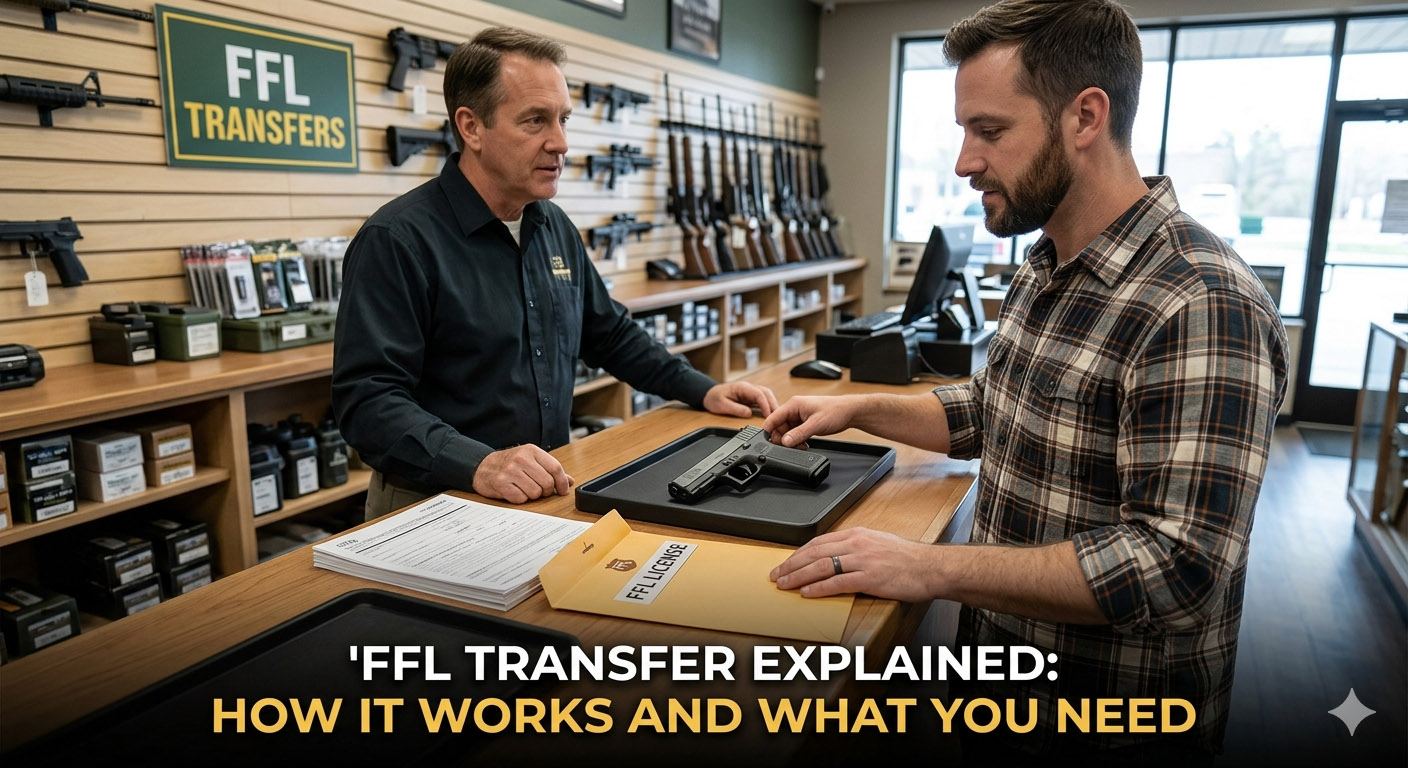
A common misconception among first-time online buyers is that an ordered firearm delivers directly to their home like standard e-commerce packages. Under federal law, firearms purchased online must be shipped directly to a licensed Federal Firearms License (FFL) holder.
+-----------------------------------------------------------------+
|                   ONLINE FIREARM TRANSFER FLOW                  |
|                                                                 |
|  [ Online Retailer ] ---> Ships Item ---> [ Local FFL Dealer ]   |
|                                                  |              |
|  [ Buyer ] <--- Completes Background Check <-----+              |
+-----------------------------------------------------------------+
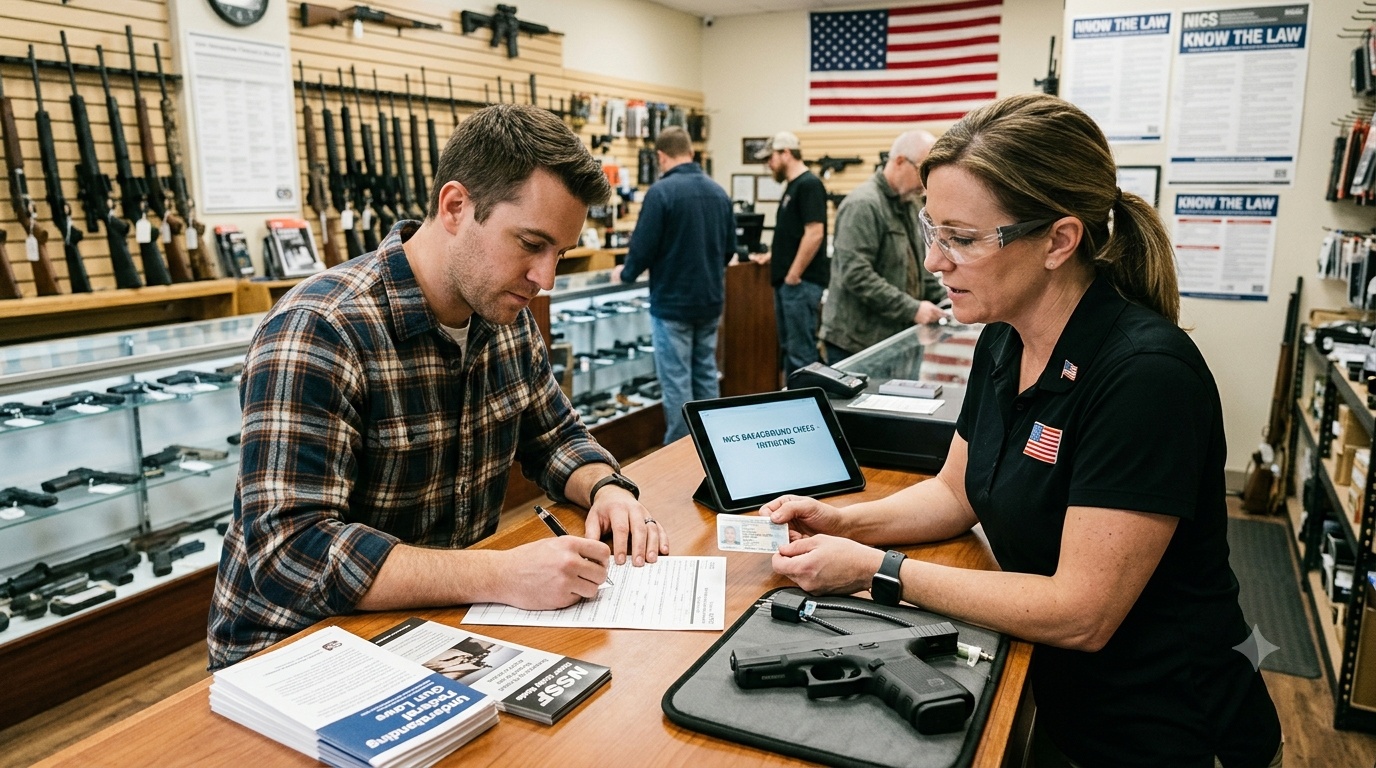
The receiving FFL dealer acts as the local transfer agent. They receive the shipment, log the firearm into their inventory, verify your identification, conduct the required background check, and hand over the firearm once all legal criteria are satisfied.
2. Choosing and Verifying Your Local FFL Transfer Dealer
Before placing an online order, you must select a local gun shop, pawn store, or independent FFL dealer willing to handle your transfer.
-
Confirm Preferred FFL Status: Major online firearm retailers maintain databases of preferred FFLs already on file, making checkout seamless.
-
Contact the Dealer First: Never ship a firearm to a local shop without contacting them beforehand. Verify that they are currently accepting incoming transfers, confirm their business hours, and inform them of the incoming package.
-
Verify Dealer Credentials: Ensure the receiving dealer’s FFL license is active and in good standing to avoid shipment holds or returned packages.
3. Account for FFL Transfer Fees and Hidden Costs
While an online retailer’s listed price may look significantly lower than local retail, total acquisition cost includes administrative transfer fees.
| Fee Type | Average Cost | Purpose |
| FFL Transfer Fee | $25 – $75 | Charged by the receiving dealer to log the firearm and process paperwork. |
| Background Check Fee | $0 – $25 | State-mandated fee for running NICS or state background checks (varies by state). |
| Shipping & Freight | $15 – $50 | Standard or expedited handgun/rifle delivery charges from the retailer. |
| State Sales Tax | Local Rate | Most online retailers automatically collect state sales tax based on delivery address. |
Always calculate the landed cost—online price + shipping + sales tax + local transfer fee—before deciding if an online deal beats buying locally.
4. Know Your State and Local Firearms Laws
Federal law sets the minimum baseline, but state and municipal regulations dictate what you can legally purchase and possess in your jurisdiction. Online retailers will often process a sale even if the firearm is restricted in your city, shifting legal responsibility onto you.
Key restrictions to verify before ordering include:
-
Magazine Capacity Limits: Many states restrict magazine capacities to 10 or 15 rounds. Ordering a handgun with standard 17-round magazines to a restricted area can result in delayed orders, stripped magazines, or order cancellation fees.
-
Approved Handgun Rosters: States like California and Maryland maintain strict rosters of certified handguns permitted for sale.
-
Feature Restrictions: Certain semi-automatic rifles with specific cosmetic or ergonomic features (such as pistol grips, folding stocks, or threaded barrels) may be classified as restricted items in select jurisdictions.
5. Age Requirements and Background Check Readiness
Federal regulations enforce strict age floors for firearm transactions at FFL dealers:
-
Long Guns (Rifles & Shotguns): Minimum age of 18 years old (though select states raise this limit to 21).
-
Handguns & Stripped Receivers: Minimum age of 21 years old.
When picking up your firearm at the local FFL, you must complete ATF Form 4473 and pass a National Instant Criminal Background Check System (NICS) check. Ensure you possess a valid, non-expired government-issued photo ID reflecting your current physical residential address. If your background check is denied or delayed indefinitely, the local FFL cannot release the firearm, and you will incur return shipping and restocking fees from the online seller.
6. Vet the Reputation and Authenticity of the Online Seller
The online firearm industry includes established mega-retailers, specialized distributors, auction sites, and unfortunately, fraudulent websites. Distinguishing legitimate sellers from scams is critical.
-
Beware of Fraudulent Payment Methods: Legitimate firearm retailers accept standard credit cards (Visa, Mastercard, Discover). Be extremely cautious of websites demanding payment via non-refundable, unverified methods like Zelle, Venmo, Bitcoin, or wire transfers.
-
Check Customer Reviews: Research independent feedback regarding shipping speeds, customer service responsiveness, and inventory accuracy.
-
Inspect Inventory Realities: Verify whether the item is physically in stock at the seller’s warehouse or being drop-shipped from a third-party distributor, which can impact fulfillment timelines.
7. Understand Return Policies and Inspection Rights
Unlike general consumer goods, returning a firearm after completing the legal transfer process is difficult and often impossible.
+-----------------------------------------------------------------+
|                  CRITICAL INSPECTION PROTOCOL                   |
|                                                                 |
|  1. Inspect firearm AT THE FFL COUNTER before signing paperwork. |
|  2. Check finish, action, mechanical function, and inclusions.  |
|  3. IF DEFECTIVE: Refuse transfer immediately.                  |
|  4. IF PASSED: Sign Form 4473 and take possession.              |
+-----------------------------------------------------------------+
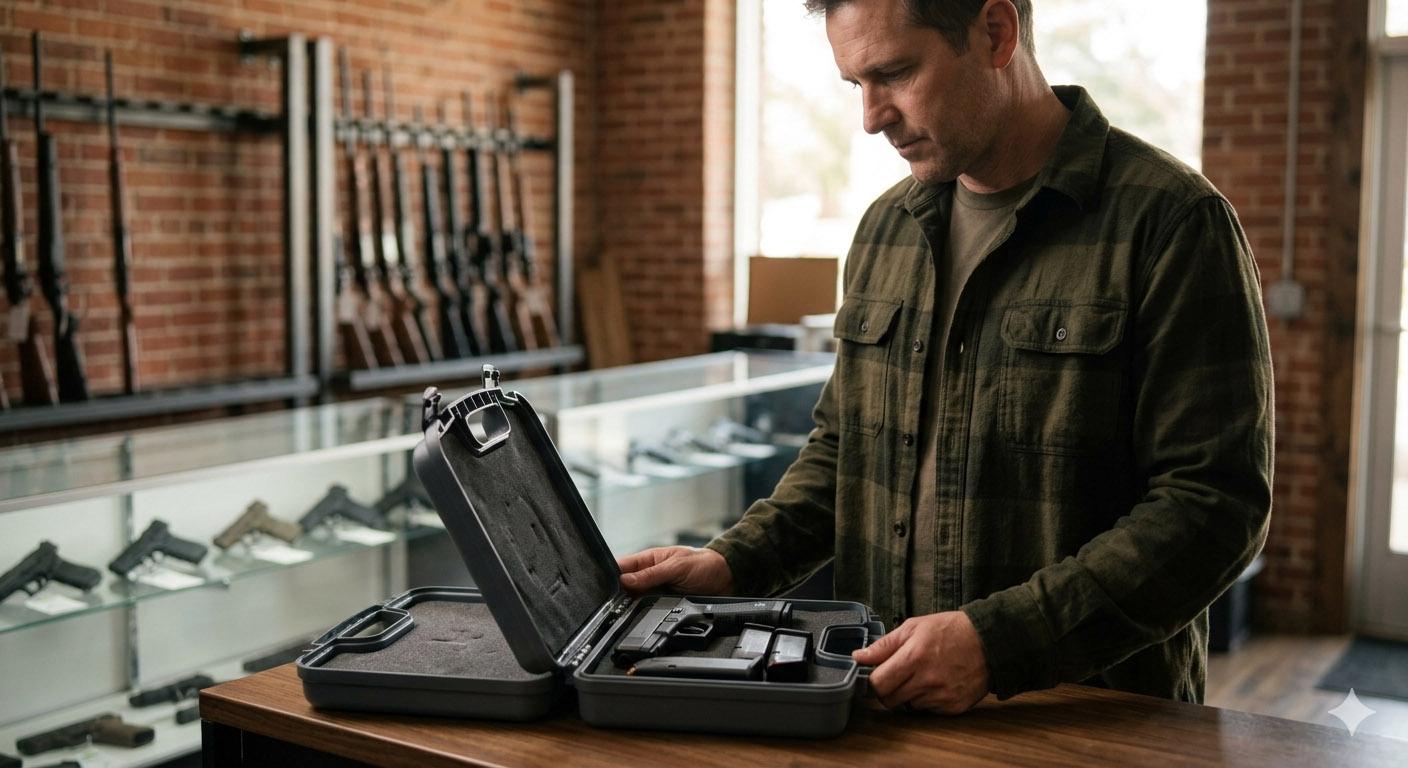
Once you sign ATF Form 4473 and take physical possession of the weapon, the sale is final. If you discover a cosmetic scratch, mechanical defect, or missing accessory after leaving the store, you must deal directly with the manufacturer under warranty rather than returning it to the online seller. Always inspect the firearm thoroughly on the dealer’s counter before starting paperwork.
8. Shipping Logistics and Legal Carrier Restrictions
Firearm transport is tightly governed by federal shipping regulations and carrier safety policies.
-
Handgun Shipping Restrictions: Federal law prohibits unlicensed individuals from shipping handguns via the U.S. Postal Service (USPS). Commercial retailers must ship handguns through contract carriers like FedEx or UPS using expedited overnight or 2-day services.
-
Signature Requirements: All firearm shipments require an adult signature (21+) upon delivery at the receiving FFL dealer.
-
Tracking and Transit Times: Request tracking numbers from the seller immediately upon dispatch to monitor delivery progress and notify your transfer agent when the package lands.
9. Buying Used Firearms vs. Factory-New Firearms
Purchasing surplus, collectible, or used firearms online offers great value, but carries inherent condition risks.
-
Condition Grading Systems: Familiarize yourself with industry grading standards (Factory New, Excellent, Very Good, Fair, Poor). Read description notes carefully for bore condition, matching serial numbers, or surface rust.
-
High-Resolution Photography: On gun auction platforms or used inventory sites, insist on clear, high-resolution photographs of the actual serial-numbered item being sold rather than stock images.
-
Mechanical Safety Inspections: When purchasing older or surplus firearms online, have a qualified gunsmith inspect the headspace and firing mechanisms before firing live ammunition.
10. Factor in Essential Post-Purchase Accessories
Buying the firearm itself is only step one of responsible ownership. Budgeting for mandatory storage and safety accessories ensures you are prepared the moment your transfer goes through.
-
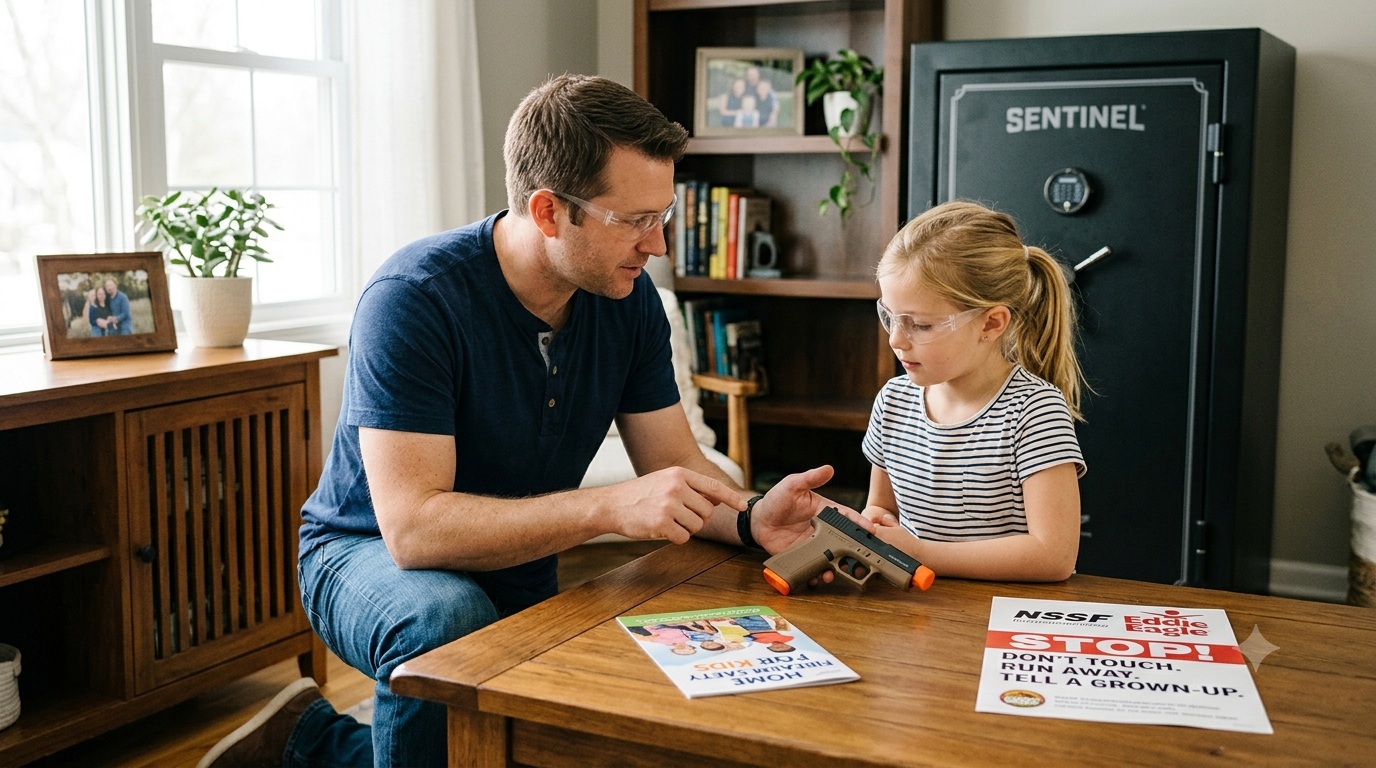
Quick-Access Lockbox or Safe: Prepare secure, child-proof storage inside your home before bringing the firearm back from the FFL.
-
Eye and Ear Protection: Quality electronic hearing protection and impact-rated shooting glasses are mandatory for safe range testing.
-
Cleaning Kits and Lubricants: Have proper caliber-specific bore brushes, patches, and gun oil ready for initial cleaning and maintenance, as new firearms ship with heavy protective factory grease that must be removed prior to firing.
-
Defensive Ammunition: If buying for personal security, acquire quality practice ammunition for training along with proven jacketed hollow point (JHP) defensive loads.