
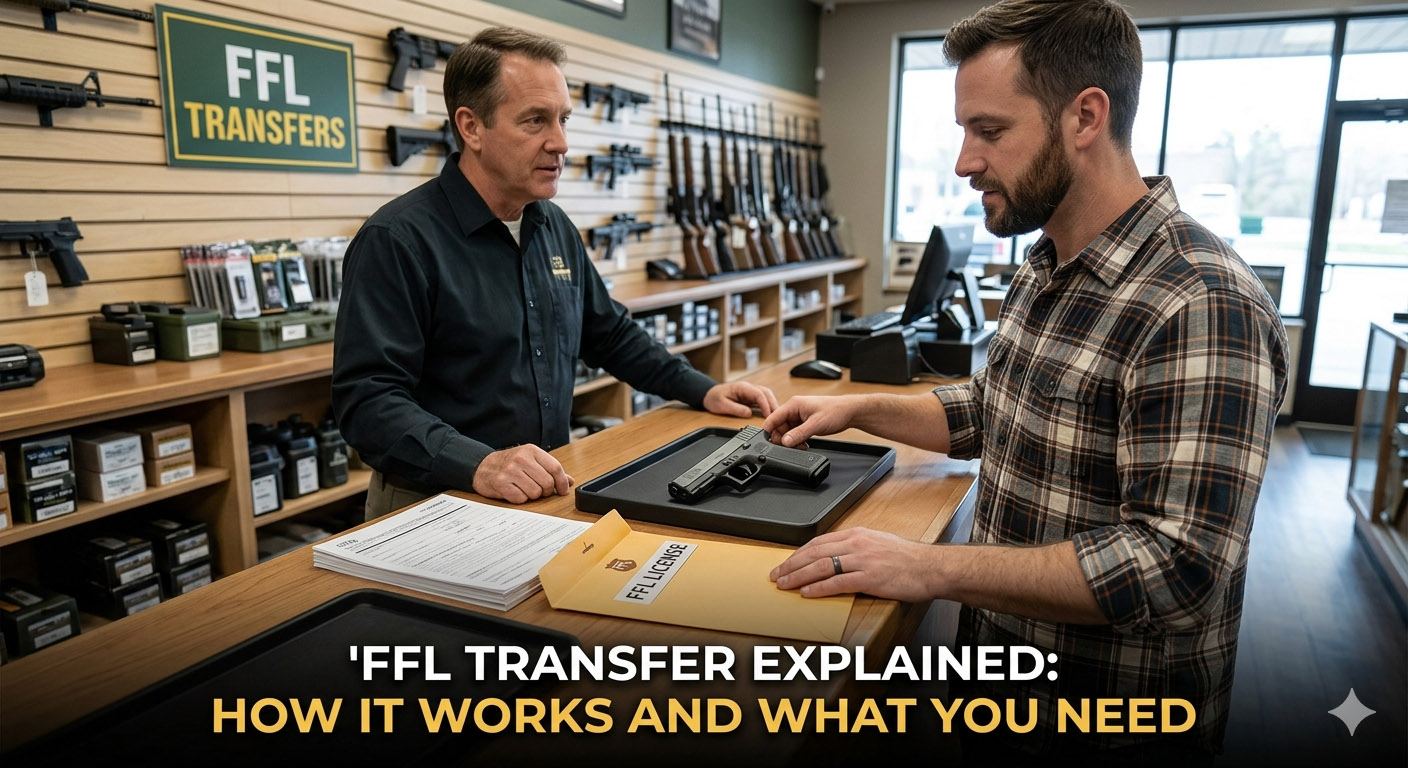
Purchasing a firearm across state lines, ordering from an online retailer, or acquiring a specialized model often involves a process known as an FFL Transfer. For new gun owners and seasoned shooters alike, navigating the logistics, legal requirements, and administrative steps of a transfer can seem complicated at first glance.
However, the Federal Firearms License (FFL) system is simply the standardized legal framework used across the United States to ensure every firearm transaction complies with federal, state, and local safety laws.
Here is a complete, step-by-step breakdown of how FFL transfers work, what documentation you need, what fees to expect, and how to ensure a smooth pickup at your local dealer.
What Is an FFL Transfer and Why Is It Required?
A Federal Firearms License (FFL) is a official authorization granted by the Bureau of Alcohol, Tobacco, Firearms and Explosives (ATF) to individuals or businesses legally permitted to manufacture, import, or sell firearms.
Under the Gun Control Act of 1968, interstate commerce of firearms is strictly regulated. Private citizens cannot legally ship firearms directly to another individual across state lines. Instead, the firearm must be shipped directly to a licensed dealer, who acts as a certified transfer agent.
The primary purpose of the transfer process is simple:
-
Identity Verification: Confirming the identity and eligibility of the buyer.
-
Background Check Execution: Running a federal or state background check prior to releasing the weapon.
-
Legal Recordkeeping: Logging the firearm's serial number, make, model, and owner details into the dealer's official records.
+-----------------------------------------------------------------+
|                   FFL TRANSFER PROCESS FLOW                     |
|                                                                 |
|  1. Buyer orders firearm online / out-of-state.                 |
|  2. Seller ships firearm directly to buyer's chosen local FFL.  |
|  3. Local FFL logs item and contacts buyer upon arrival.       |
|  4. Buyer completes ATF Form 4473 and background check.         |
|  5. Upon approval, FFL completes transfer to buyer.             |
+-----------------------------------------------------------------+
Step-by-Step: How an FFL Transfer Works
Step 1: Purchasing and Selecting a Receiving Dealer
When you buy a firearm from an online store, auction website, or out-of-state dealer, you will select a local gun shop, pawn store, or licensed independent FFL holder near your home to receive the package. Major online retailers maintain databases of local FFLs, allowing you to select your preferred dealer during checkout.
Step 2: License Exchange and Shipping
Before shipping, the selling dealer and receiving dealer exchange copies of their FFL credentials. Once verified, the seller packages the firearm and ships it directly to the receiving dealer’s physical business address. Firearms are never delivered to your home residence.
Step 3: Arrival, Logging, and Customer Notification
When the package arrives at your local gun shop, the staff opens the shipping container to inspect the contents and log the firearm's serial number, manufacturer, model, and caliber into their ATF-mandated Acquisition and Disposition (A&D) bound book. Once the log entry is complete, the shop will contact you via phone or email to let you know the firearm is ready for pickup.
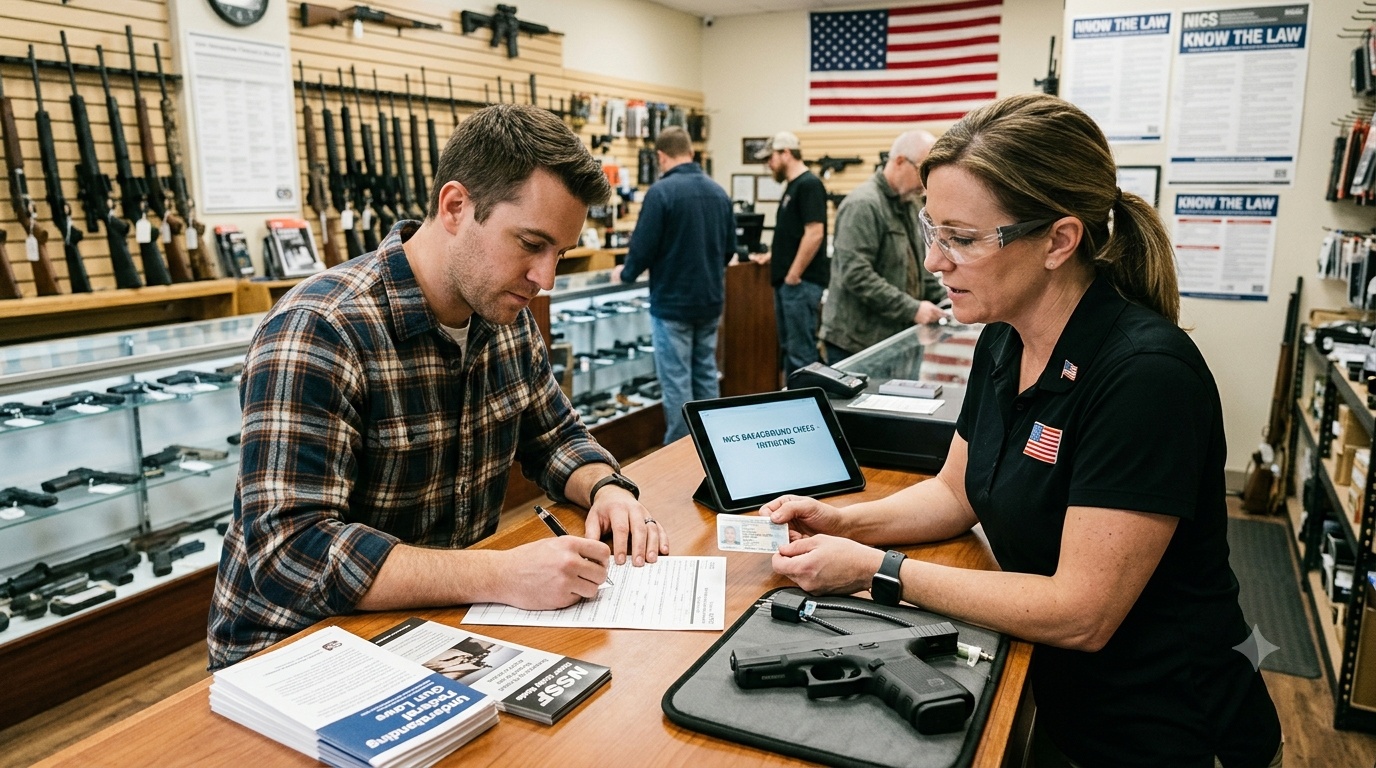
Step 4: The In-Person Transfer and ATF Form 4473
You must visit the gun shop in person to collect the firearm. Before taking physical possession, you will fill out ATF Form 4473 (Firearms Transaction Record). This form collects personal identification details and asks a series of mandatory questions regarding criminal history, legal eligibility, and citizenship status under penalty of perjury.
Step 5: The NICS Background Check
Once you complete Form 4473, the dealer submits your information to the FBI’s National Instant Criminal Background Check System (NICS) or your state's central point of contact agency. The system returns one of three immediate responses:
-
Proceed: Your background check is clear. You pay the local transfer fee and take the firearm home.
-
Delay: The system requires additional time to process background records. Under federal law, the FBI has up to three business days to resolve the check.
-
Deny: The background check indicates a disqualifying factor under federal or state law, and the dealer is legally prohibited from transferring the firearm to you.
Essential Requirements for Buyers
To ensure your transfer goes smoothly without delays or cancellations, bring the proper documentation to the shop:
+-----------------------------------------------------------------+
|                  MANDATORY PICKUP REQUIREMENTS                  |
|                                                                 |
|  * Valid, unexpired government-issued photo ID                  |
|  * Current physical residential address matching your ID        |
|  * Legal age (18+ for long guns / 21+ for handguns)             |
|  * Payment method for local FFL transfer fees                   |
+-----------------------------------------------------------------+
1. Valid Government-Issued Photo ID
You must present a current, unexpired state driver’s license or state identification card. The full legal name and physical residential address printed on the ID must match the address entered on Form 4473.
-
Address Discrepancies: If your driver's license displays a old or P.O. Box address, you must provide supplemental government-issued documentation proving your physical address (such as a valid vehicle registration, voter registration card, or municipal utility bill).
2. Age Restrictions
Federal age requirements strictly enforce minimum thresholds for transfers:
-
Rifles and Shotguns (Long Guns): Minimum age of 18 years old.
-
Handguns, Stripped Receivers, and Frames: Minimum age of 21 years old.
3. State Residency Rules
Federal law permits licensed dealers to transfer long guns to residents of other states, provided the sale complies with the state laws of both the dealer and the buyer. However, handguns must be transferred by an FFL located within your official state of residence.
Transfer Fees and Total Costs
Receiving FFL dealers charge administrative fees to cover the labor involved in unboxing, logging, holding inventory, and processing federal paperwork. Transfer fees are set independently by each business rather than by the government.
| Cost Element | Typical Price Range | Notes |
| Standard FFL Transfer Fee | $25 – $50 per firearm | Charged by local gun shop per transferred item. |
| State Background Check Fee | $0 – $15 | State-mandated processing fee in select jurisdictions. |
| NFA Item Transfer Fee | $50 – $150+ | Applies to silencers, short-barreled rifles, or NFA items. |
Always verify your local dealer's transfer rates prior to placing an online order to avoid unexpected fees upon arrival.
Best Practices for a Seamless Transfer
-
Notify Your Local FFL First: Never ship a firearm to a local dealer without contacting them beforehand. Confirm they accept incoming transfers from third-party sellers and verify their current operating hours.
-
Inspect the Firearm Before Signing: Thoroughly inspect the finish, action, and mechanical components of the firearm at the dealer's counter before signing ATF Form 4473. If you spot a manufacturing defect or shipping damage, refuse the transfer immediately. It is far easier for the dealer to return a damaged item to the seller before the transfer is completed than after you take it home.
-
Track Your Shipment: Monitor your order's tracking details and wait for your local FFL to call you before heading to the store. Receiving dealers need time to log incoming inventory into their official books before releasing packages to customers.