
Navigating the legal framework surrounding commercial firearm acquisition in the United States requires a clear understanding of federal statutes, state regulations, and local municipal ordinances. Whether purchasing your first handgun, a shoulder-fired defensive long gun, or expanding an existing collection, staying compliant is just as vital as choosing the right platform. Utilizing a structured Gun Buying Guide helps buyers navigate statutory requirements while selecting suitable defense hardware.
Federal Regulations and the Purchasing Process
Federal law, enforced by the ATF, establishes baseline requirements for acquiring serialized defensive hardware across all fifty states.
-
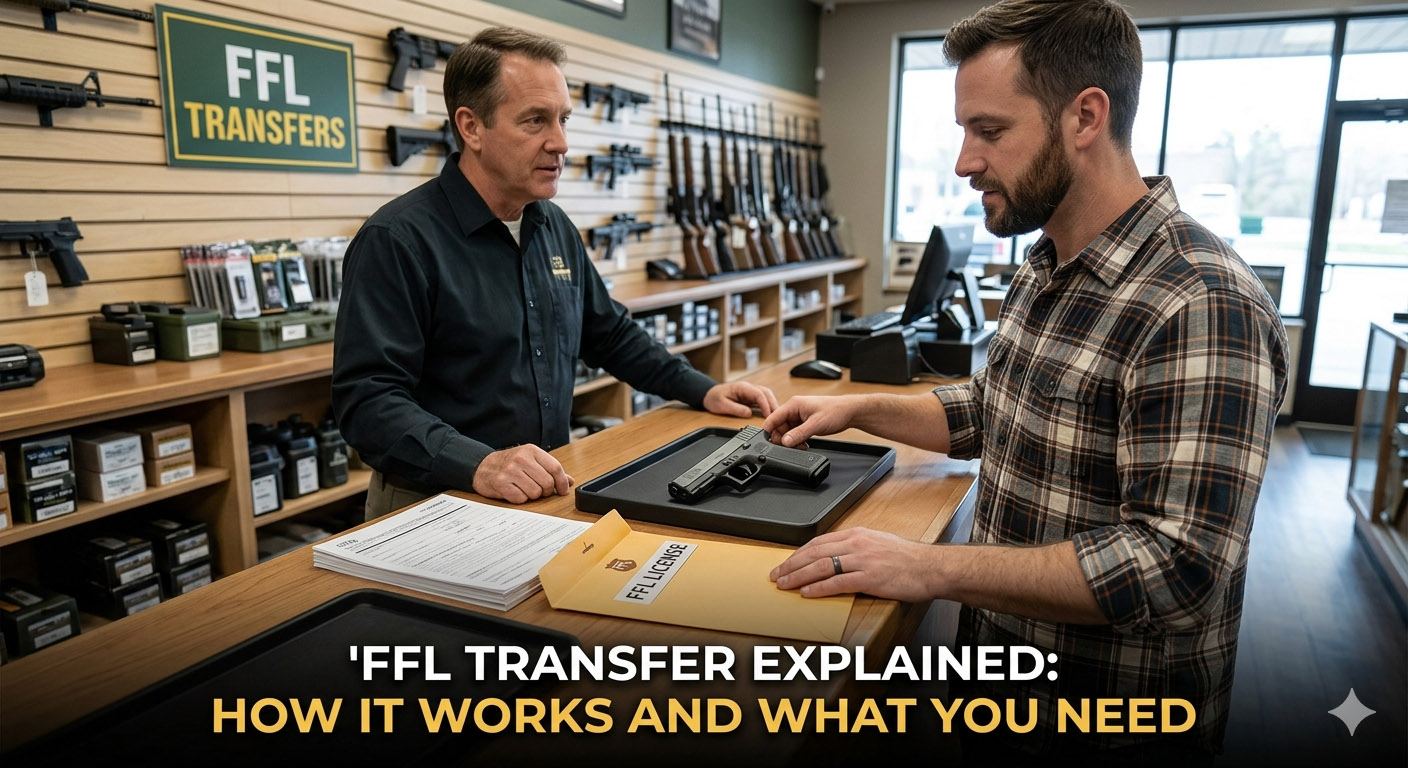
Dealer Transactions and Licensing: Every commercial transaction or interstate transfer must route through a licensed FFL Dealer. Online orders cannot ship directly to private residences; they ship to an authorized dealer who executes identity verification.
-
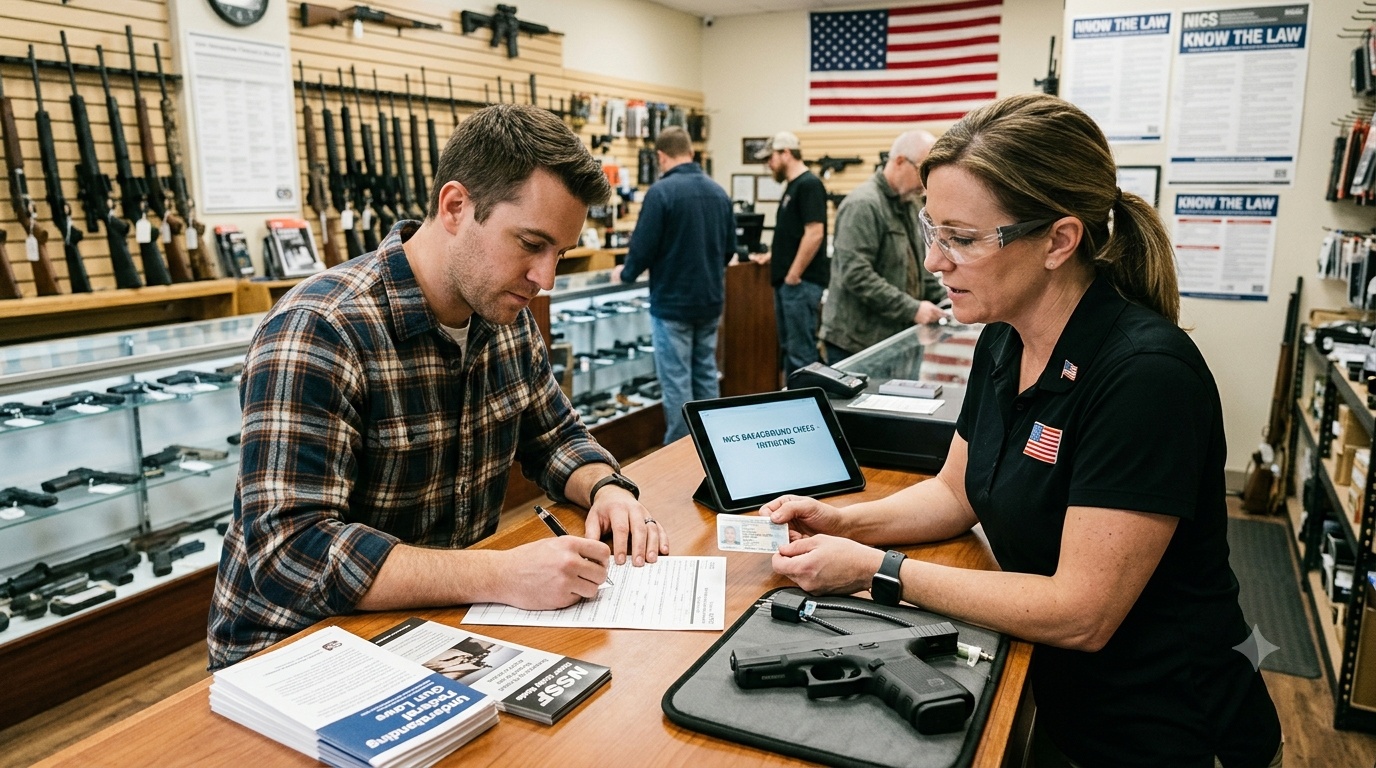
Background Check Protocols: Buyers must complete ATF Form 4473 and pass a mandatory Background Check processed through the NICS database or equivalent state screening agency. This process verifies that the purchaser has no disqualifying criminal history or legal restrictions.
-
Interstate Restrictions: State boundaries dictate specific acquisition rules. Handguns must generally be transferred in the buyer’s state of residence, whereas a long gun, such as a Semi-Automatic Rifle, can often be acquired across state lines provided both states' statutes are satisfied.
State and Local Municipal Variations
While federal law sets the baseline, state and local statutes create a complex regulatory patchwork across the country:
-
Feature Bans and Platform Classifications: Certain states enforce specific feature bans or cosmetic restrictions that impact popular platforms like the AR-15, Ruger rifles, or Pistol Caliber Carbine (PCC) models such as the CZ Scorpion.
-
Magazine Capacity Limits: Standard Magazine capacities vary widely by jurisdiction. High-capacity magazines common to handguns like the Glock 19, SIG Sauer P320, or Smith & Wesson M&P may be restricted to ten rounds or fewer in specific states.
-
Permitting and Concealed Carry (CCW): Requirements for carrying a concealed Handgun vary from permitless "constitutional carry" to strict permit processes requiring verified training hours and shooting qualification.
Responsible Ownership, Accessories, and Safe Storage
Acquiring a defensive platform introduces immediate ongoing compliance and Firearm Safety responsibilities:
-
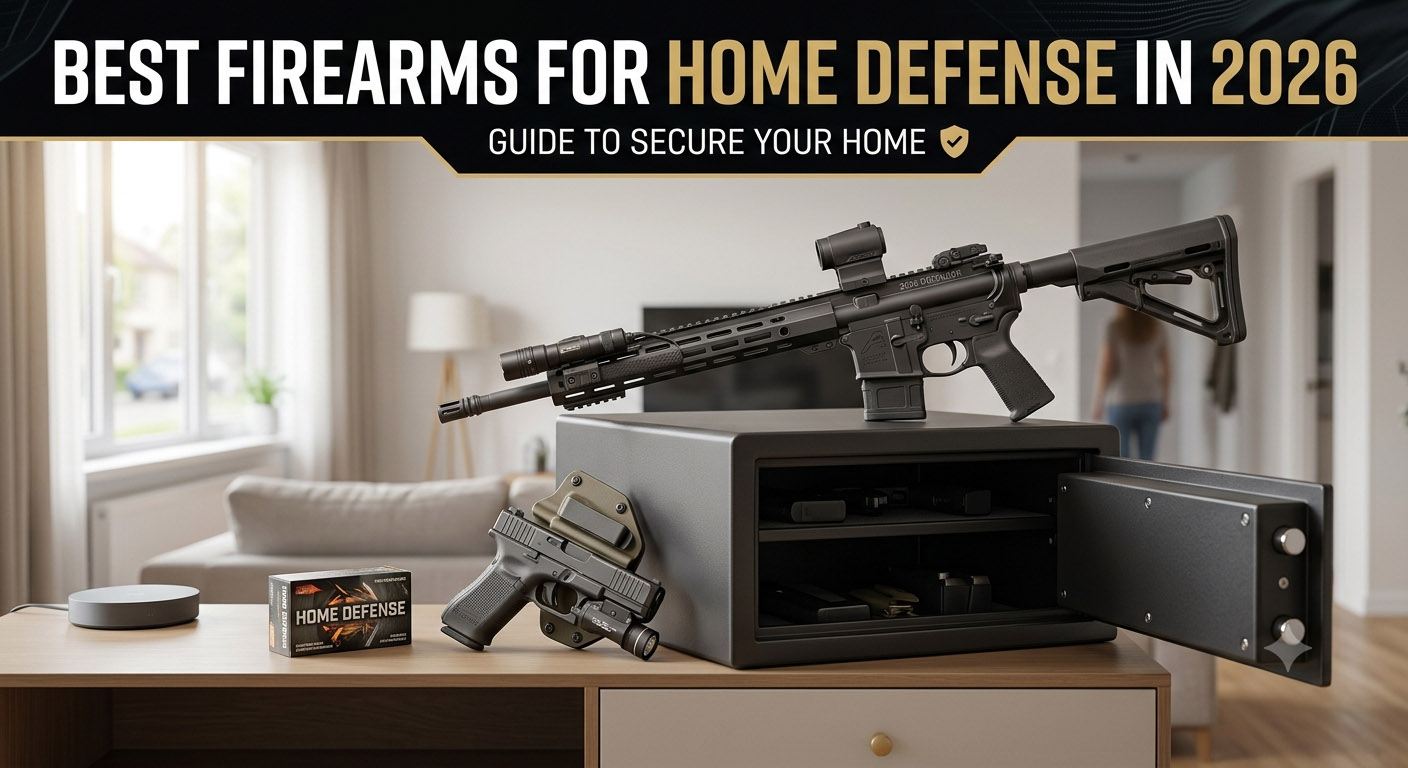
Gun Storage Laws: Many states enforce mandatory storage legislation requiring owners to secure defense equipment inside a heavy-duty Gun Safe, or attach an approved Cable Lock, Trigger Lock, or integrated Gun Lock when firearms are not in use to prevent unauthorized access.
-
Defensive Accessories: Equipping a Home Defense Firearm with functional upgrades—such as a bright Weapon-Mounted Light (WML) for target identification or an electronic Red Dot Sight—enhances performance. Carrying daily requires pairing your Pistol with a durable, custom-molded Holster.
-
Ammunition and Ballistics: Match your barrel caliber (e.g., 9mm Luger, 5.56 NATO, or 12 Gauge) with appropriate ammunition. Use full metal jacket ammo for target practice, while reserving Jacketed Hollow Point (JHP) Ammunition that has undergone standardized Ballistic Testing for defensive readiness.
Continuous Training and Skill Development
Legal compliance extends to safe handling habits and continuous skill maintenance:
-
Safety and Marksmanship Training: Enrolling in an official Firearm Safety Course led by an NRA Certified instructor or Certified Gunsmith builds foundational handling competence.
-
Practice Drills: Consistent Range Practice, coupled with home Dry-Fire Practice, sharpens Marksmanship fundamentals and recoil control without firing live ammo.
-
Low-Cost Training Alternatives: Training with an Airgun, Pellet Gun, BB Gun, CO2 Pistol, or Air Rifle provides a low-cost, convenient method to practice sight alignment, though it should never fully replace live-fire drills conducted with proper Ear Protection and Eye Protection.